
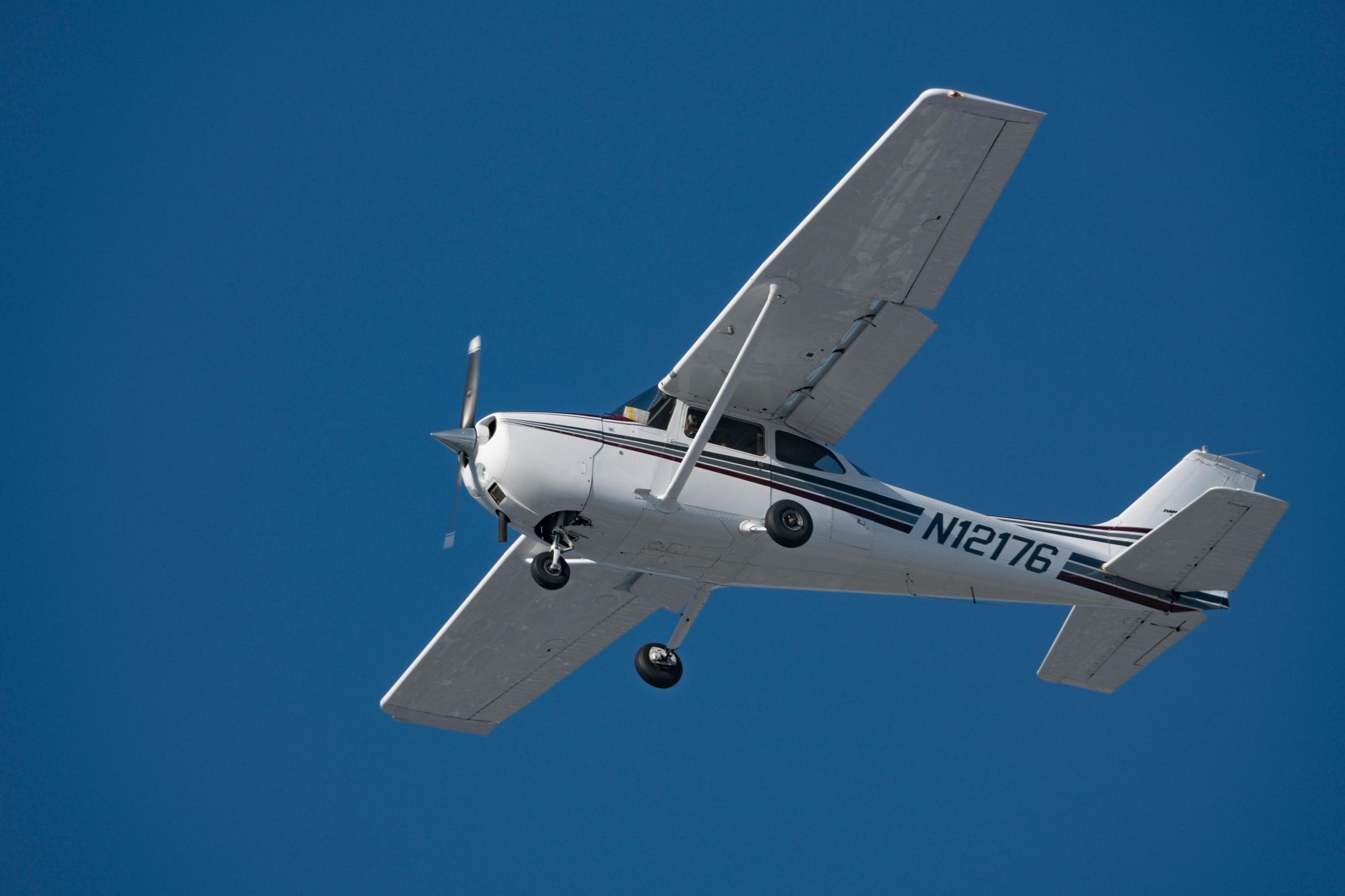
Picture this: you run a thriving business, things are going well, your diary is packed with meetings across the country and beyond. Why would you make yourself dependent on delayed flights and rushing through Schiphol? Your own aeroplane suddenly doesn't sound so crazy. In fact, it feels surprisingly logical. Efficient, time-saving and therefore… business.
That's exactly what the entrepreneur in the well-known Cessna ruling thought. He bought an aeroplane, a Cessna, through his business. It was neatly put on the business and used for business flights. From an entrepreneur's point of view, that sounds like a smart move. Less travel time, more control and more productivity. Everything seemed to add up. Until the Tax Authority (Belastingdienst) got involved and looked at it through a different lens.
The key question wasn't whether the aeroplane was used for business, but whether it was really necessary for the business – or mainly a very comfortable choice?
That's where things started to chafe, because the aeroplane was used for work. Meetings were attended, trips were made. But the tax authorities looked one layer deeper and saw something else. They saw an entrepreneur who could just as well have taken scheduled flights. Cheaper, more usual and, above all, without the touch of luxury.
The court agreed. The fact that something is used for business doesn't automatically mean it's accepted as a business expense for tax purposes. Certainly not if the alternative is a lot cheaper and roughly as functional. The aeroplane may have been faster and more comfortable, but that didn't make it a necessity. And that difference is exactly what matters.
What makes this so interesting is that it isn't some extreme case of abuse or fraud. Quite the opposite: it's a very recognisable entrepreneurial line of thinking that comes unstuck here. Because if it helps you work more efficiently and move your business forward, it quickly feels like a business investment. The Tax Authority, however, doesn't look at what feels logical to you; it looks at what can be objectively defended.
And that's where the tension lies. The more luxurious the expense, the more critical the scrutiny. Because luxury and private benefit are close neighbours. An aeroplane is an extreme example, but the same applies just as much to an expensive car or an exclusive hotel on a business trip. The moment comfort and status come into play, your tax story automatically gets weaker.
The Cessna ruling therefore forces you to look at your own choices differently. The question is no longer whether you can put something on the business, but whether you can explain it convincingly. Imagine you're sitting across from a tax inspector and have to justify why this expense was truly necessary. Can you clearly explain why a cheaper alternative wouldn't do? Can you show that it isn't a disguised private benefit? And can you demonstrate that the costs are in proportion to your business activities?
If you notice that your explanation mainly revolves around convenience, speed or 'because it just works better', you're on thin ice. The real lesson is a confronting one: not everything that suits the way you work is automatically a business expense. Sometimes it's simply a luxury choice. And there's nothing wrong with that, as long as you realise the Tax Authority won't always go along with it.