
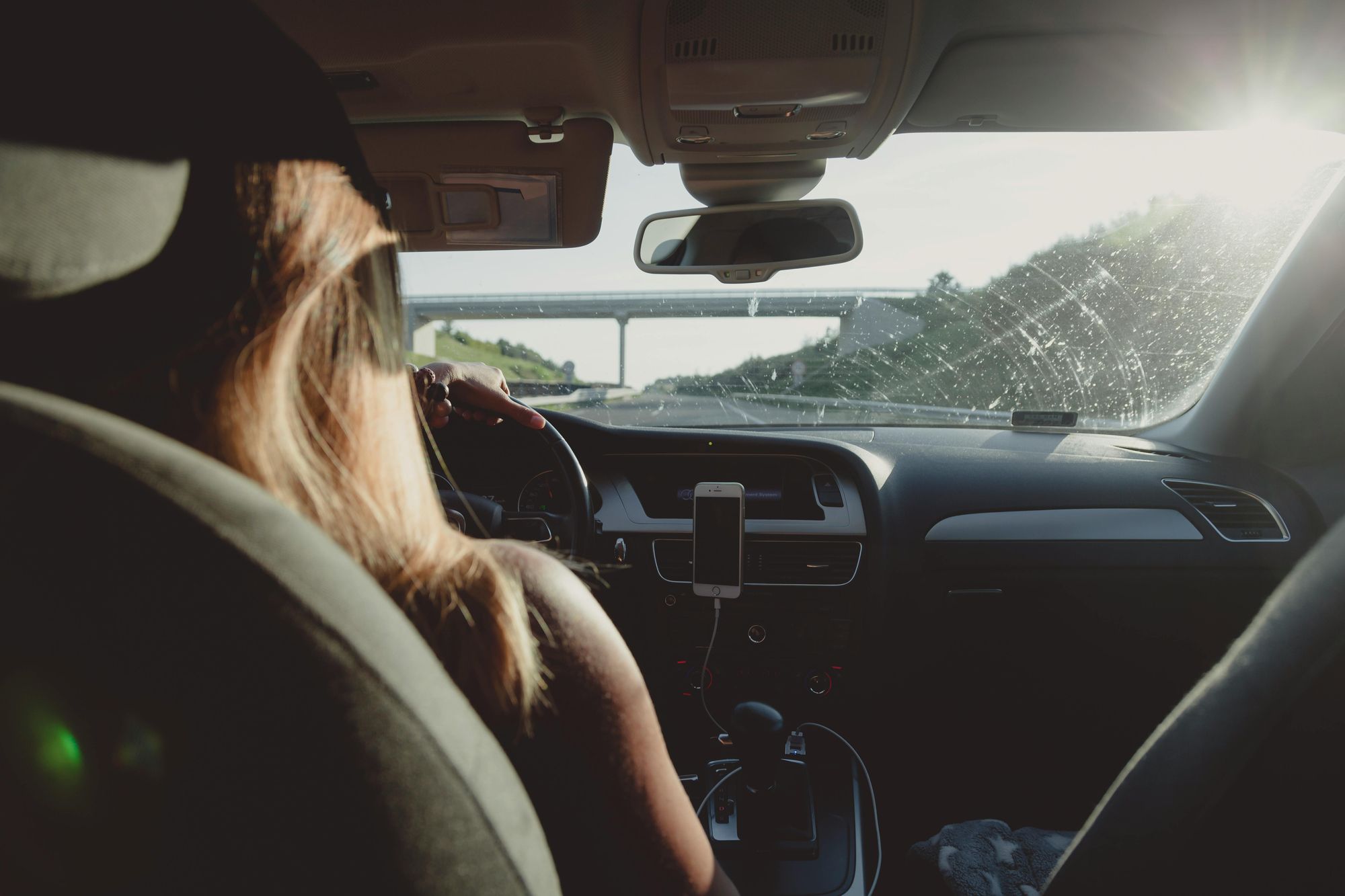
You get in the car for a client meeting, hop on your bike to a networking drinks, catch the train to a conference or stand at Schiphol ready to board a plane and meet a new client. Travelling is part of running a business. And the good news? The Tax Authority (Belastingdienst) is happy to help you on your way a little. Many travel expenses are tax-deductible, provided they are recorded correctly in your bookkeeping. How much you can deduct differs per means of transport and per situation.
Let’s start with the classic: the car. If you drive a company car, almost everything runs through your business. Fuel, maintenance, insurance, road tax and parking costs are deductible. At least, as long as you don’t use the car a little too enthusiastically for private trips. If you stay under 500 private kilometres a year, there’s nothing to worry about. Go over that, and you’ll have to deal with an addition to taxable income for private use of a company car (bijtelling). The car remains a business asset, but the private use is taxed.
If, on the other hand, you use your private car for business trips, things get simpler and stricter at the same time. You may deduct €0.23 per business kilometre. That amount is all-in, so no more claiming receipts for petrol or new tyres. Parking costs and tolls can be claimed separately, as long as they are business-related.
Two-wheelers count too. If you pedal to an appointment on your own bike or quickly take the scooter, the same rate applies: €0.23 per kilometre. If you have a company bike or scooter, the costs are deductible. This also applies to e-bikes and fat bikes. The Tax Authority does check, though, whether you also use the bike/scooter privately. In that case bijtelling may be charged, just as with a car.
If you travel by public transport, the taxman is remarkably lenient. Train tickets, OV-chipkaart costs and season tickets: if it’s for business, it can be deducted from your profit. If you also use a season ticket privately, you do have to split honestly which part is for business. The VAT on public transport costs is usually deductible as well. If no VAT amount is shown on your ticket, you can calculate it yourself (it is usually 9% on passenger transport).
And then the plane. Because doing business doesn’t stop at the border. If you fly to a business meeting or conference, your ticket, baggage fees, seat reservation, transfers and even parking at the airport are deductible. But tack a few beach days onto it, and it’s a different story. Private is private, business is business. You can mix the two, but only if you split the costs properly.
What many entrepreneurs forget is that, besides the transport itself, all sorts of additional travel costs count as well. Taxis to appointments, hire cars, toll roads, ferries and business overnight stays often fall under this. Everything that is business-related can be deducted. Fines, on the other hand? You pay those entirely yourself. The Tax Authority won’t foot the bill for your parking mistakes.
The bottom line is simple: travel expenses offer nice deductions, but they require good bookkeeping. By logging your trips, keeping your receipts and keeping private and business strictly separate, you avoid discussions and don’t leave any tax benefit on the table.
So if you travel smart, you travel not only comfortably, but also in a tax-responsible way.