
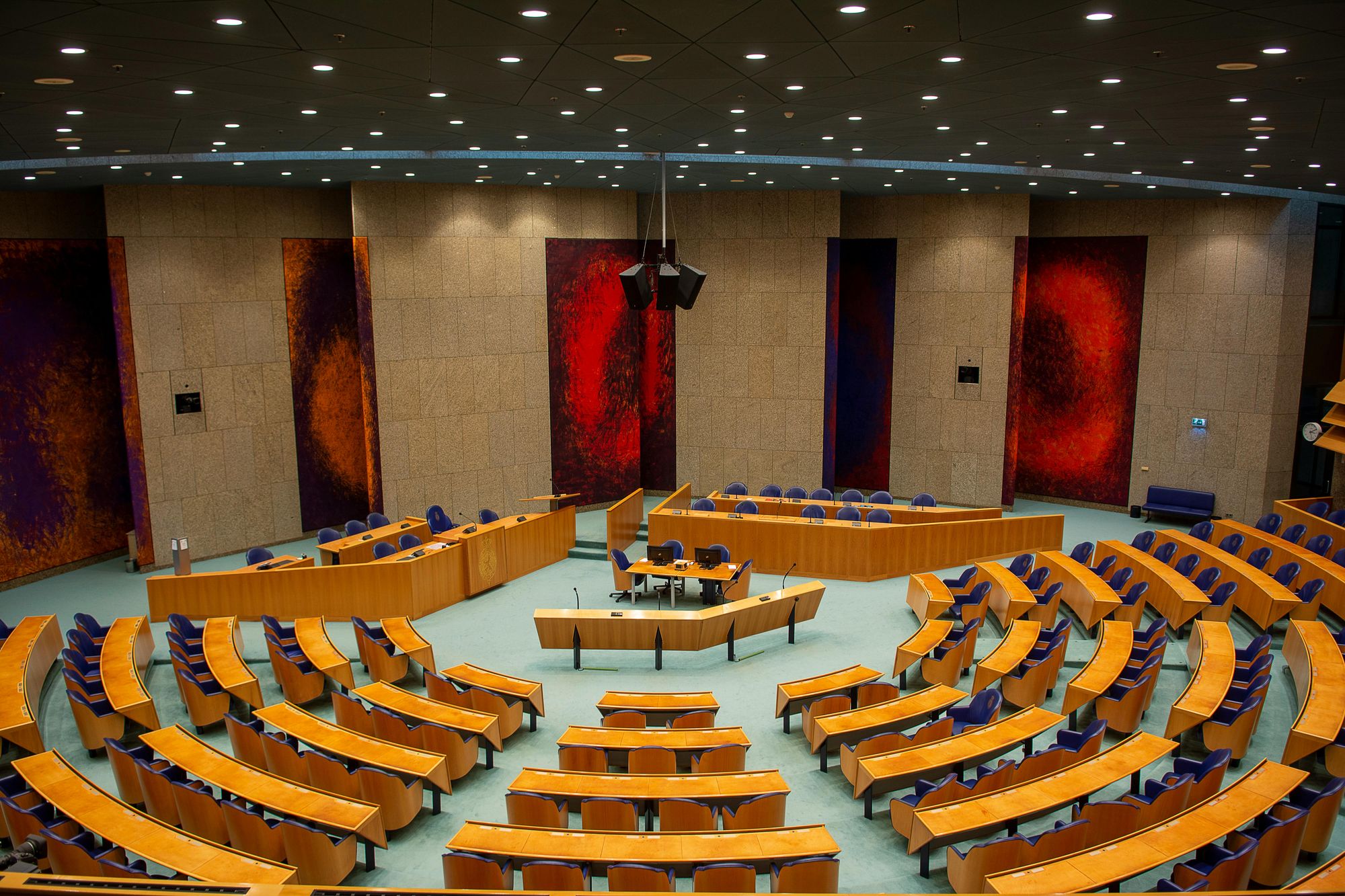
Last Tuesday, Dick Schoof officially tendered his cabinet’s resignation to the King. With that, the Schoof cabinet fell on 3 June 2025, after PVV leader Geert Wilders pulled his party out of the coalition. Since then, the cabinet has had caretaker (demissionair) status. Although a caretaker cabinet can still take decisions, most major decisions are passed on to the next cabinet. But what does this mean for you as an entrepreneur?
Many of the tax measures and policy changes the cabinet had announced are on hold for now. All legislation that has already been implemented, such as the DBA Act (Wet DBA), remains unchanged. Since 1 January 2025, the Tax Authority (Belastingdienst) has been actively enforcing the DBA Act. However, financial penalties will only actually be imposed from 1 January 2026; until then, it will stay at warnings.
So all existing laws simply remain in force. Bills that have not yet been implemented will probably largely stay on the shelf until a new cabinet has been formed. Below you’ll find the most important bills and plans that could have a major impact on entrepreneurs.
The VBAR Act
The VBAR Act (Wet VBAR, Clarification of the Assessment of Employment Relationships Act) was meant to give clients and self-employed people more clarity on when someone counts as an employee or as self-employed. Among other things, the act would introduce a ‘legal presumption of employment’ at low rates. It was scheduled to come into force on 1 January 2026. However, the bill has not yet been submitted to the House of Representatives (Tweede Kamer). With the fall of the cabinet, it is highly uncertain whether the caretaker cabinet will still submit this bill.
Mandatory disability insurance
The cabinet wanted to introduce mandatory disability insurance (AOV) for self-employed people, so that they are assured of an income in the event of illness or incapacity for work. According to the schedule, this bill would be submitted in 2025 and then take effect from 2027. Because of the caretaker status, however, this bill now seems even further away than expected.
The Self-Employed Persons Bill (Zelfstandigenwet)
The Self-Employed Persons Bill aimed to give self-employed people more security and to combat false self-employment (schijnzelfstandigheid), for example by introducing minimum rates or mandatory contract terms. This proposal was put forward by the VVD, D66, CDA and SGP. At the moment the bill has come to a complete standstill. Still, it could quickly be picked up again if the initiating parties win enough seats in new elections.
Tax plans & Budget Day
Budget Day (Prinsjesdag) 2025 is just around the corner. Normally this is when the cabinet announces new tax measures. Because the cabinet now has caretaker status, a policy-light budget is expected: no major tax reforms, just day-to-day business. Plans such as raising the reduced VAT rate from 9% to 21% will not be included. Changes to the self-employed deduction (zelfstandigenaftrek) and the SME profit exemption (mkb-winstvrijstelling) are also off the table for now.
What can you expect?
For this year, you can mainly count on stability and few changes. Major reforms are being passed on to the new cabinet, unless something is urgent. It’s therefore wise to keep following the current rules and to keep a close eye on developments around the cabinet formation. This can make a big difference to which bills are pushed through and which stay on the shelf.